A Series of Thresholds: How I Became a Professional Artist
There was a moment where I knew, with absolute certainty, that I was going to become a professional artist.
Not how I would do it. Not when. Just a quiet, undeniable certainty that it would happen.
Everything before that, and everything after, moved around that point.
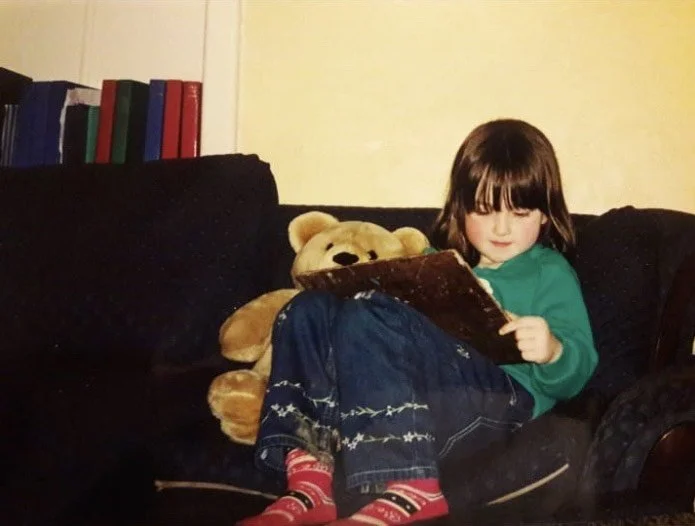
As a kid, I always wanted to be an artist. That part of me was never really in question. It was just there. Instinctive, obvious, like the most natural thing in the world. But as I grew up, another voice started to grow alongside it: a quieter, more persistent one that said it wasn’t realistic, that it wasn’t something you could actually do as a career, that it wasn’t for people like me.
That voice didn’t come from my parents or any of the people close to me; they were always supportive and encouraging of whatever direction I wanted to take. It came more from generalised ideas about what artists are supposed to be, and what is or isn’t possible in the world around me. Over time, those ideas started to feel more solid than my own instincts. So, I ended up holding both things at once: a strong pull toward art, and a growing doubt that it could ever actually be my life.
I first tried to follow a more “practical” path and completed a one-year course in Journalism. It was interesting, and it felt like I was still doing something creative, but there was always a sense that I was slightly off track, like I was moving around something I actually wanted to be doing, rather than toward it.
That’s when I first decided to give art a real chance. I did a one-year portfolio course, and then went on to a four-year BA Honours degree in Fine Art. I really enjoyed coming in to create every day, but the direction we were pushed in didn’t feel like me. I expected that by the end of art college I would feel more certain of myself as an artist, more grounded, more skilled. Instead, I left feeling less capable than when I went in. That feeling stayed with me for a long time.
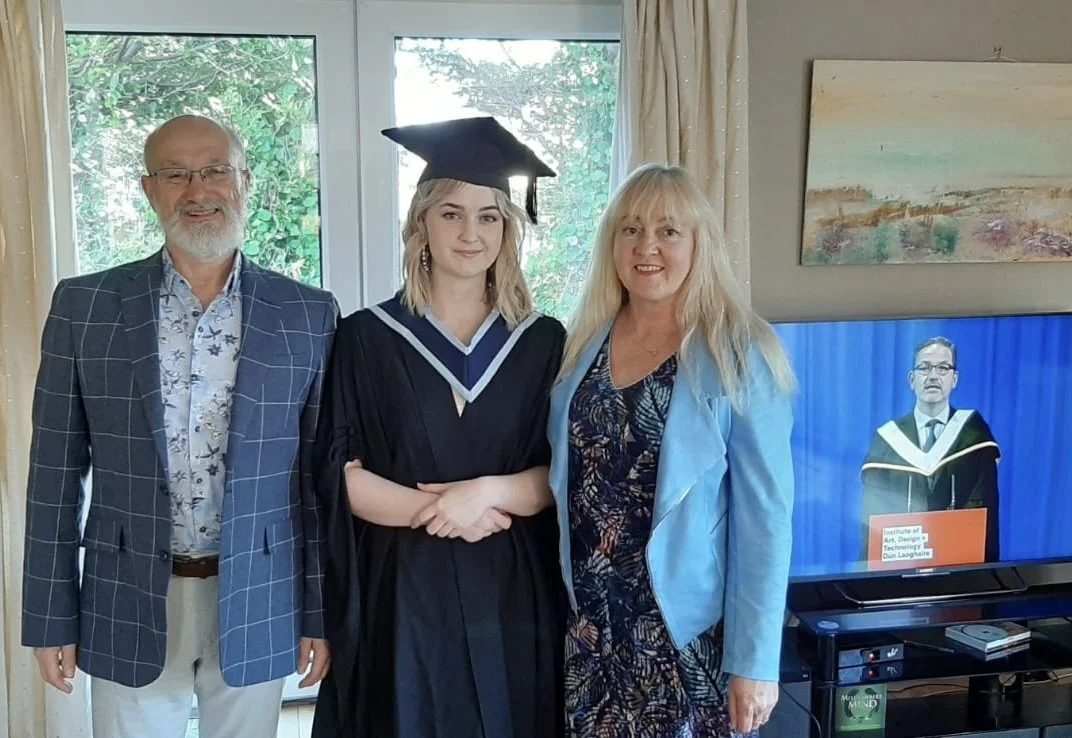
I graduated in 2020, the year everything shut down. So right when I was theoretically ready to launch my career as an artist, there were no open galleries, no art fairs, no exhibitions, none of the usual opportunities to transition into the art world. We didn’t have an end-of-degree showcase, usually the first real moment of stepping out as an artist. And suddenly there was nothing to step into.
After graduating, I stopped painting for a while. I moved into teaching English as a foreign language, intending to support myself while continuing to paint when I could; evenings, weekends, any time I could find. But it didn’t work like that.
Teaching took more out of me than I expected. Between planning, constant output, and the mental load of being “on”, there was very little left at the end of the day. The painting practice I had imagined maintaining gradually disappeared. Over time, I could feel myself drifting further from it, even while trying to hold onto it in the background.
Still, the pull toward painting never fully went away. It just became something I carried quietly rather than acted on.
Then something shifted. It wasn’t planned. One day in the summer of 2023, I went into work and realised I couldn’t keep doing it. I quit that morning. Not dramatic in the moment, more like something internal had already reached its limit before I had words for it.
I went straight home, and later that day, I went to an exhibition with my dad.
I remember standing there and feeling a clarity I hadn’t had in a long time, not about how I was going to do it, but a feeling of absolute certainty that I was going to become a professional artist. That was the moment I decided I would make painting a priority in my life again.
At the time, I was also building a campervan with my now husband. So, there wasn’t a dramatic shift into long painting weeks. Nothing became still. Life stayed full, just in a different direction. I made small drawings where I could, but mostly I was helping build the van. Practical, physical days that filled themselves completely. And although it was a very different kind of creative project, going into something like that with zero DIY skills and seeing it through gave me a different kind of confidence. Going from barely knowing the difference between a screwdriver and a drill to building customised furniture for a campervan made me question how many of my limitations were actually real, and how many were just beliefs I had accepted about myself. You can change a lot when you commit fully to learning something over time. We finished the van in November 2023, then travelled through mainland Europe for three months.
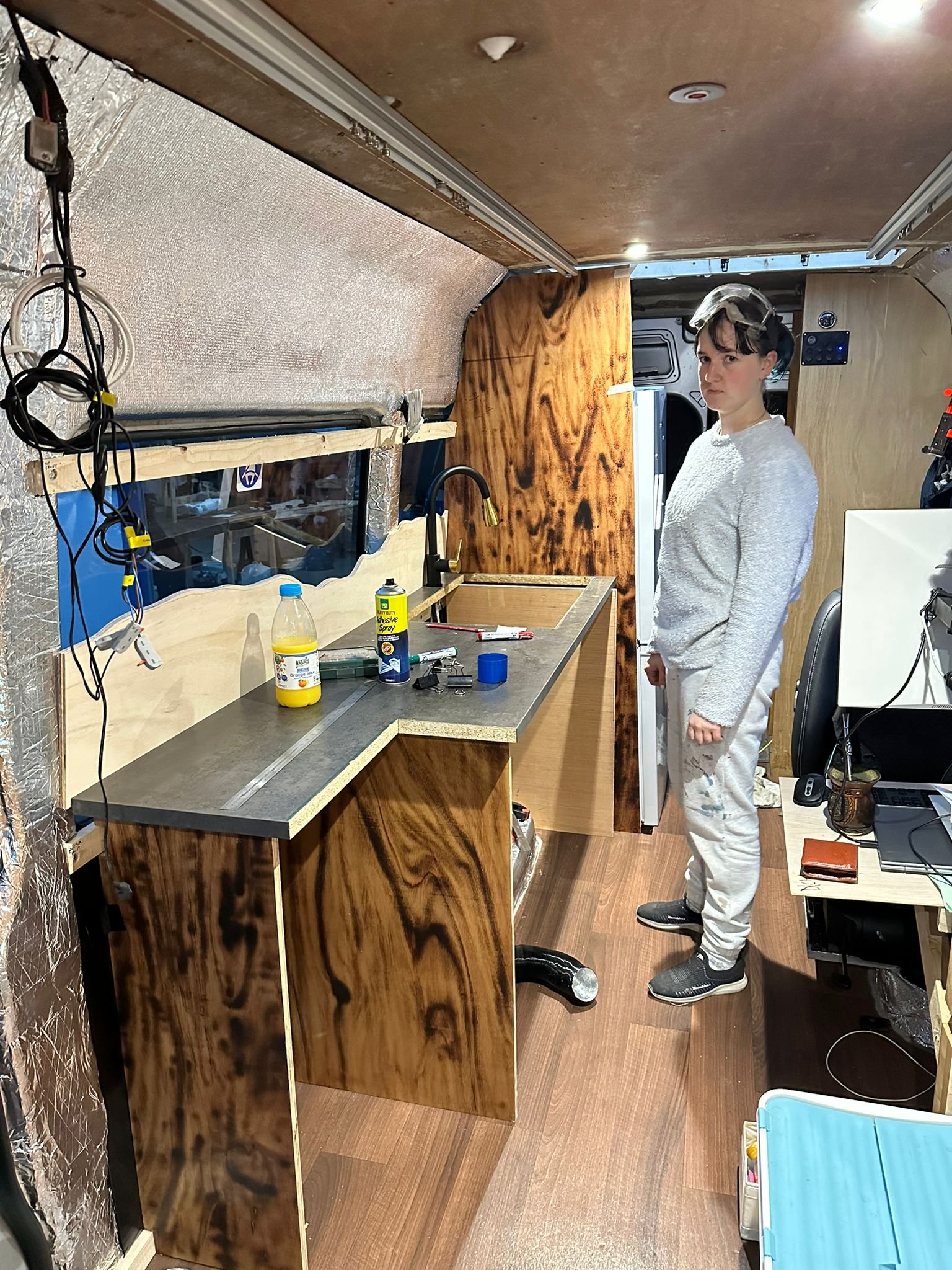
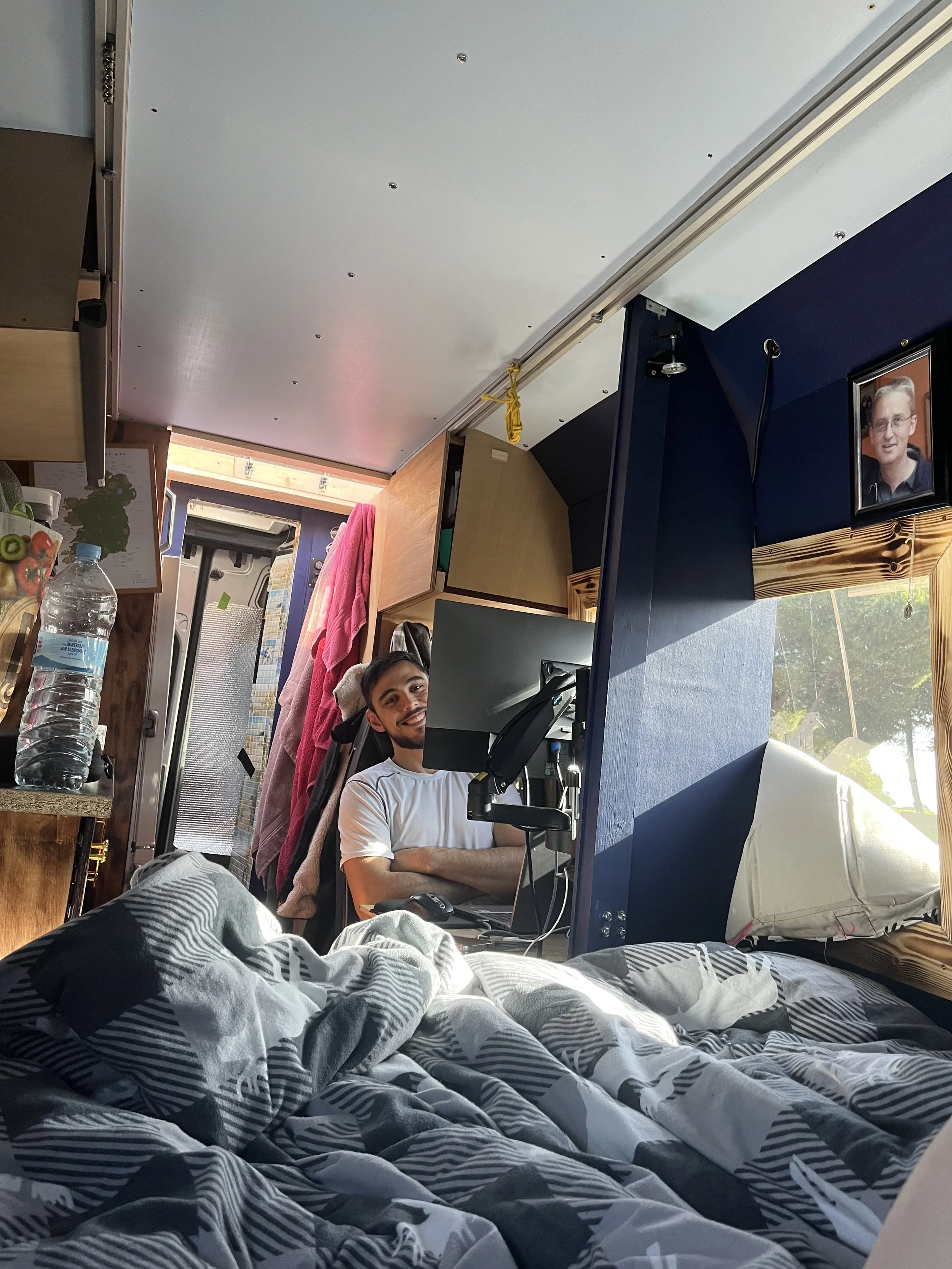
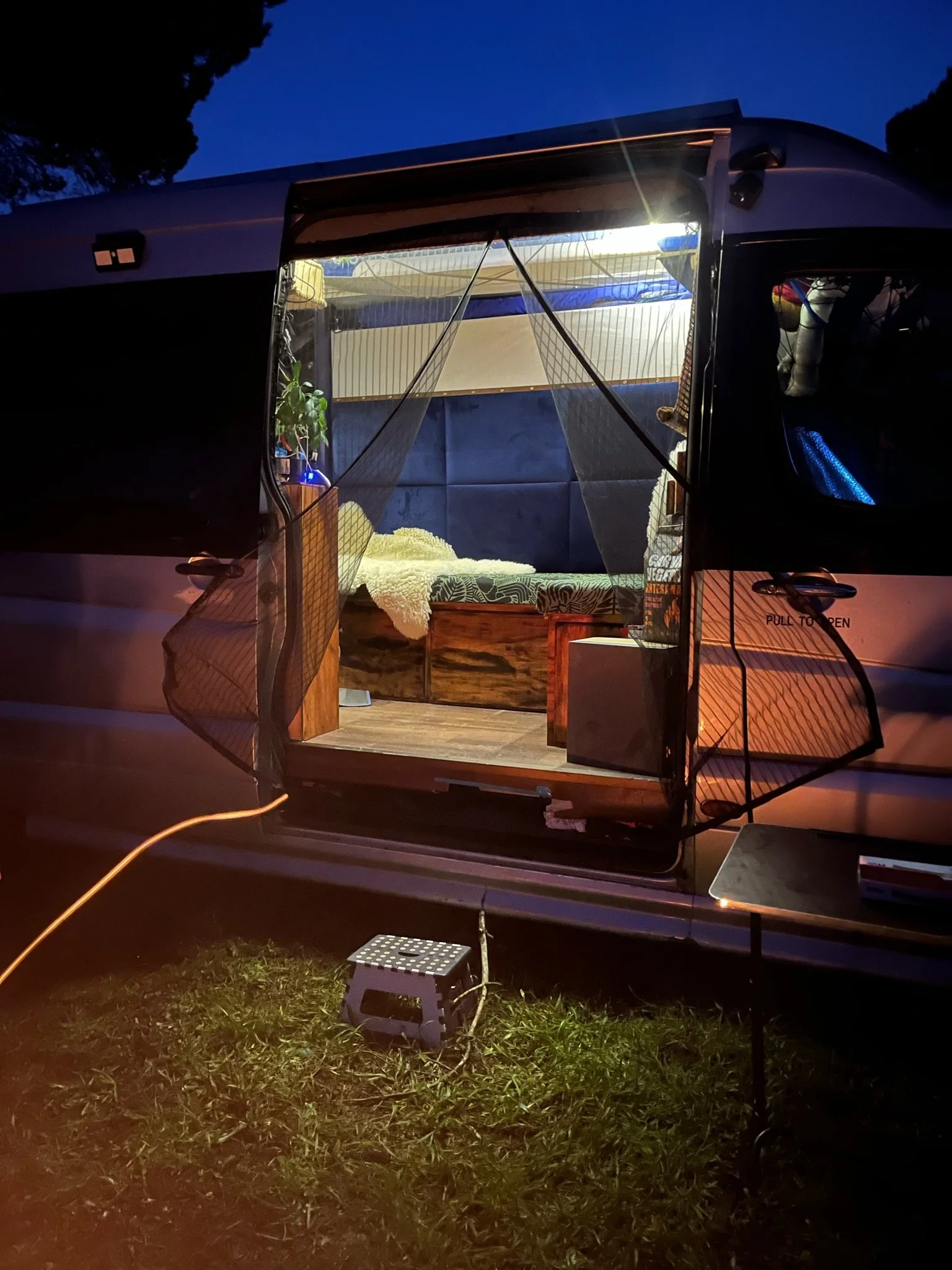
That period felt like an in-between space, a chance to reflect on everything I had tried so far, what worked and what didn’t. I was enjoying the travelling, but at the same time I felt a pull toward starting properly, toward becoming who I felt I was meant to be. I still didn’t fully know the “how”, but I knew I needed structure, and I knew I needed guidance.
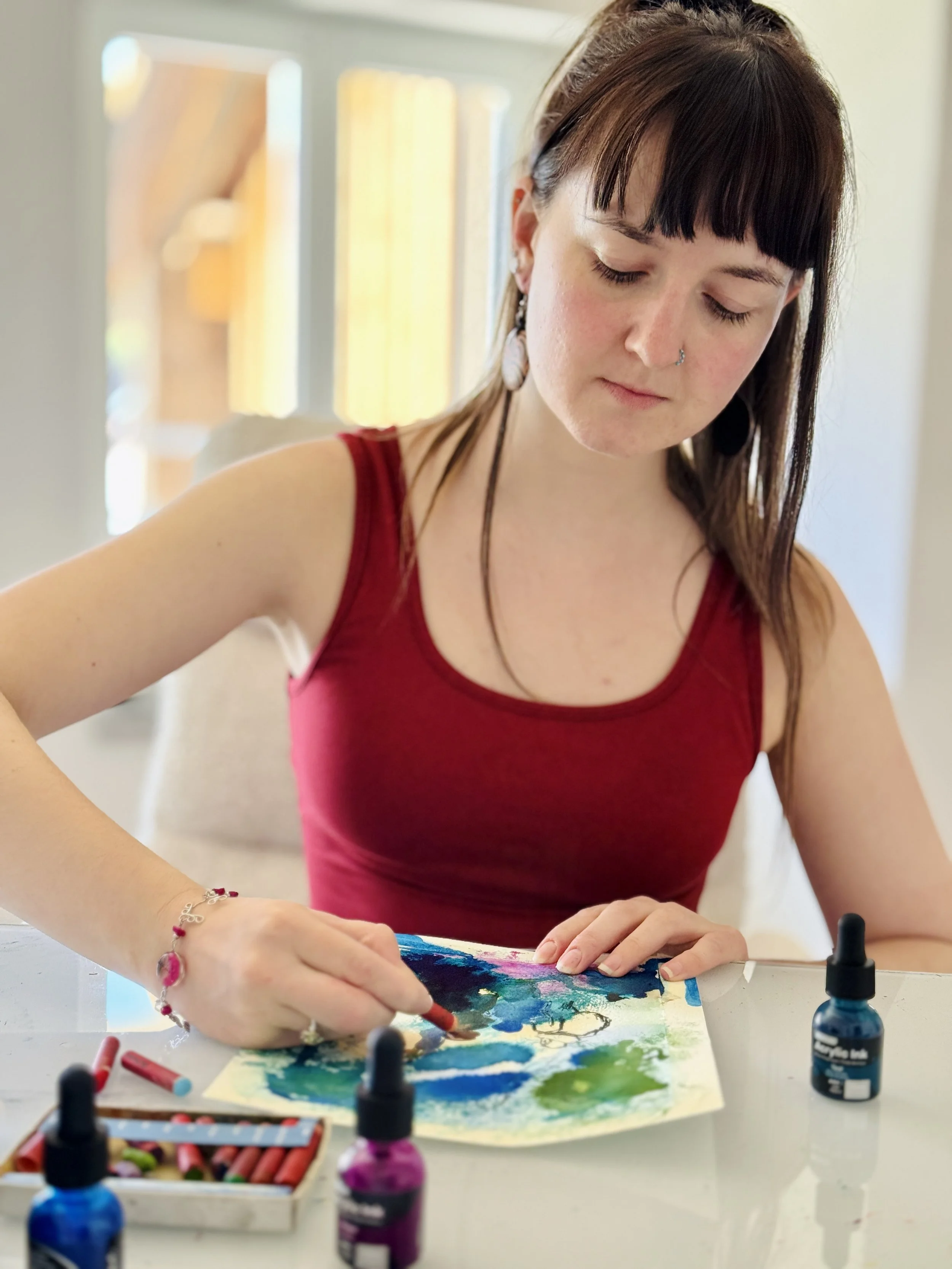
So, in February 2024, I enrolled in Milan Art Institute’s Mastery programme, and started painting pretty much every day again. At first, my focus was just showing up, making work, rebuilding rhythm. Not solving everything, just returning to practice itself. Slowly, consistency came back, and I was happier than I had been in a long time.
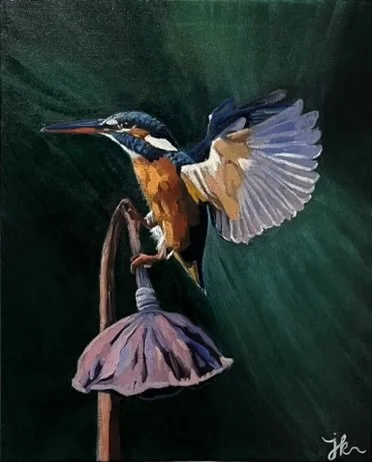
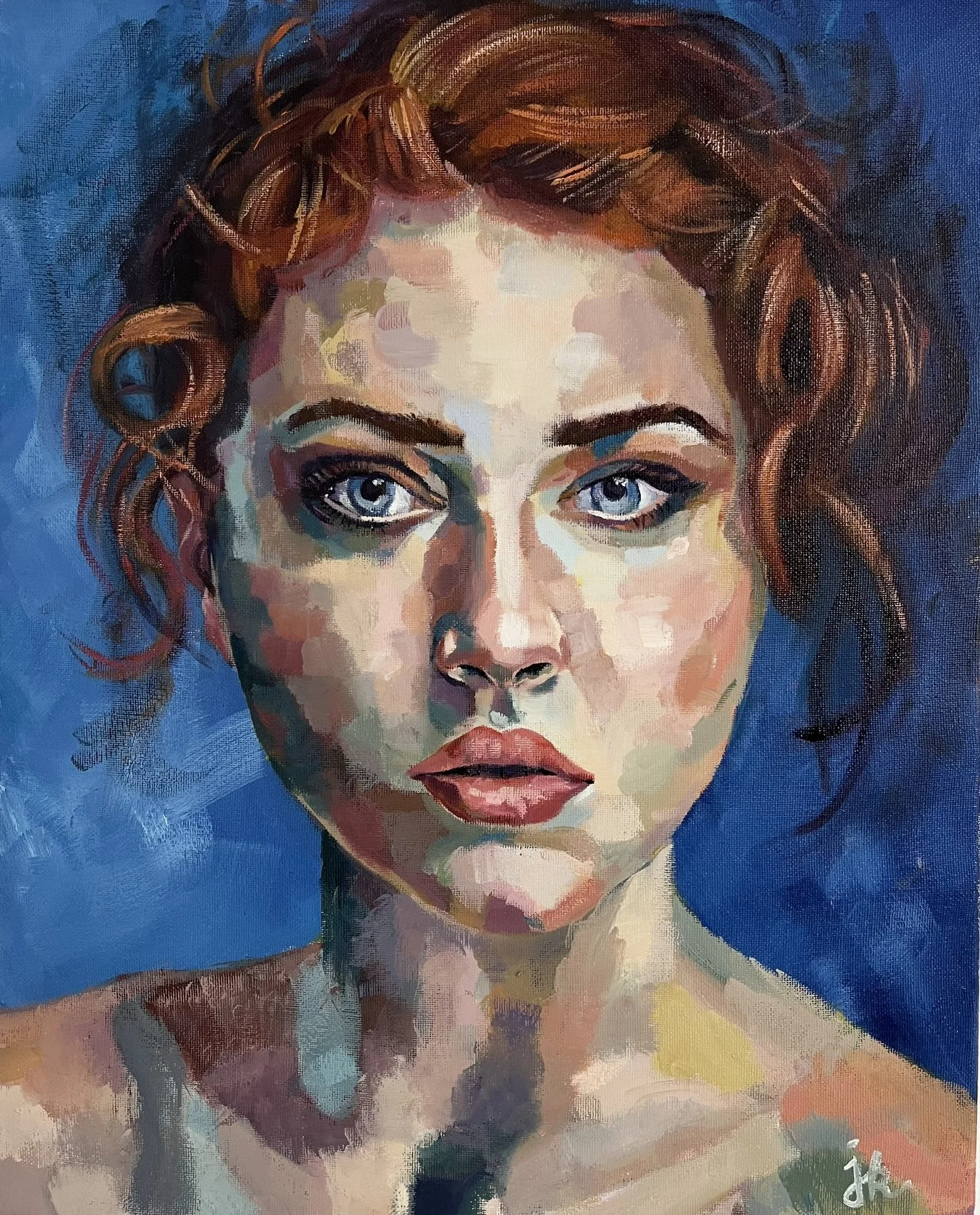
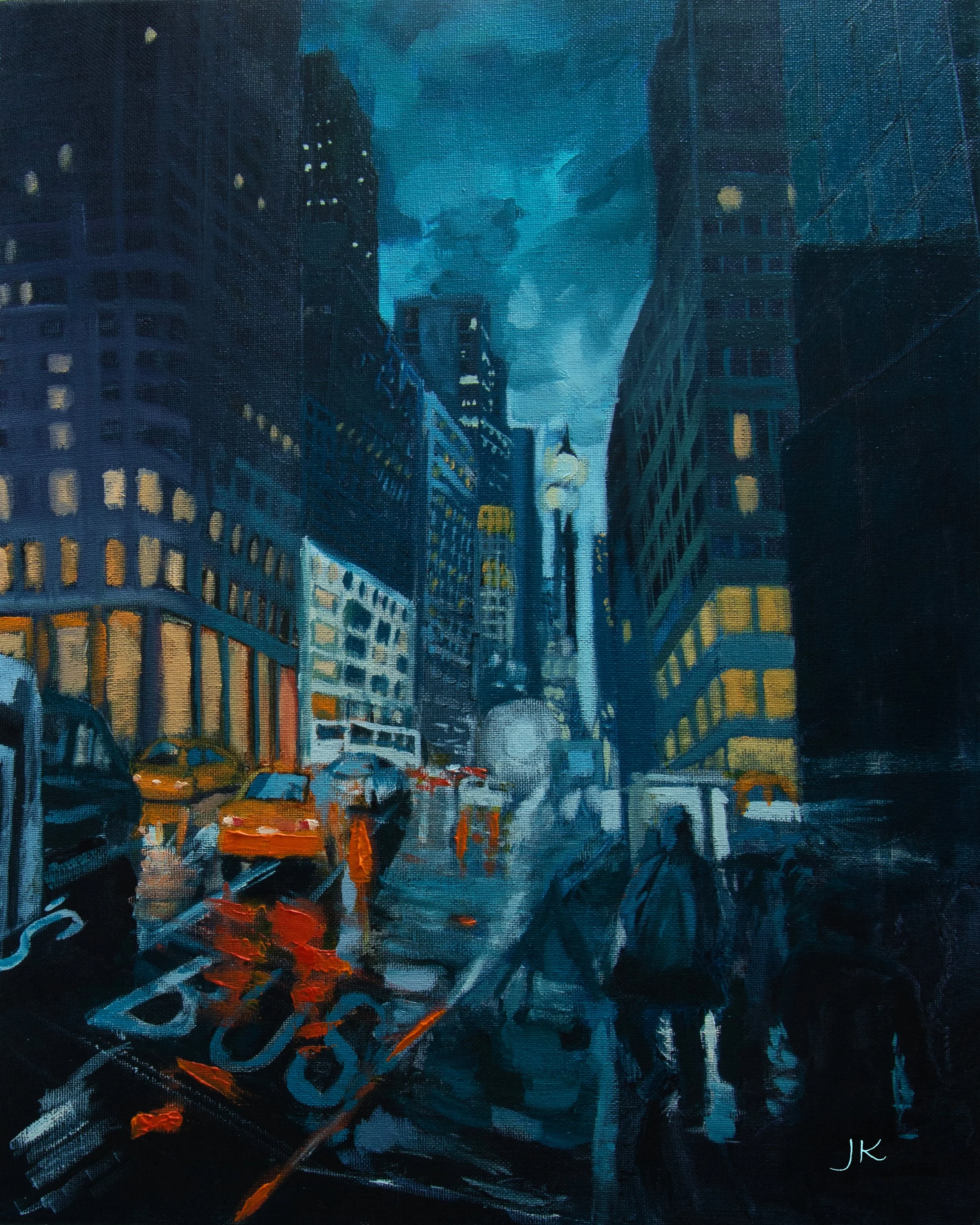
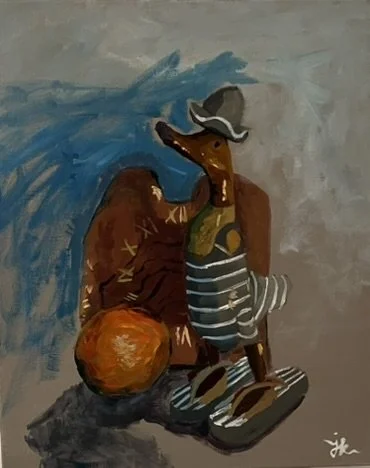
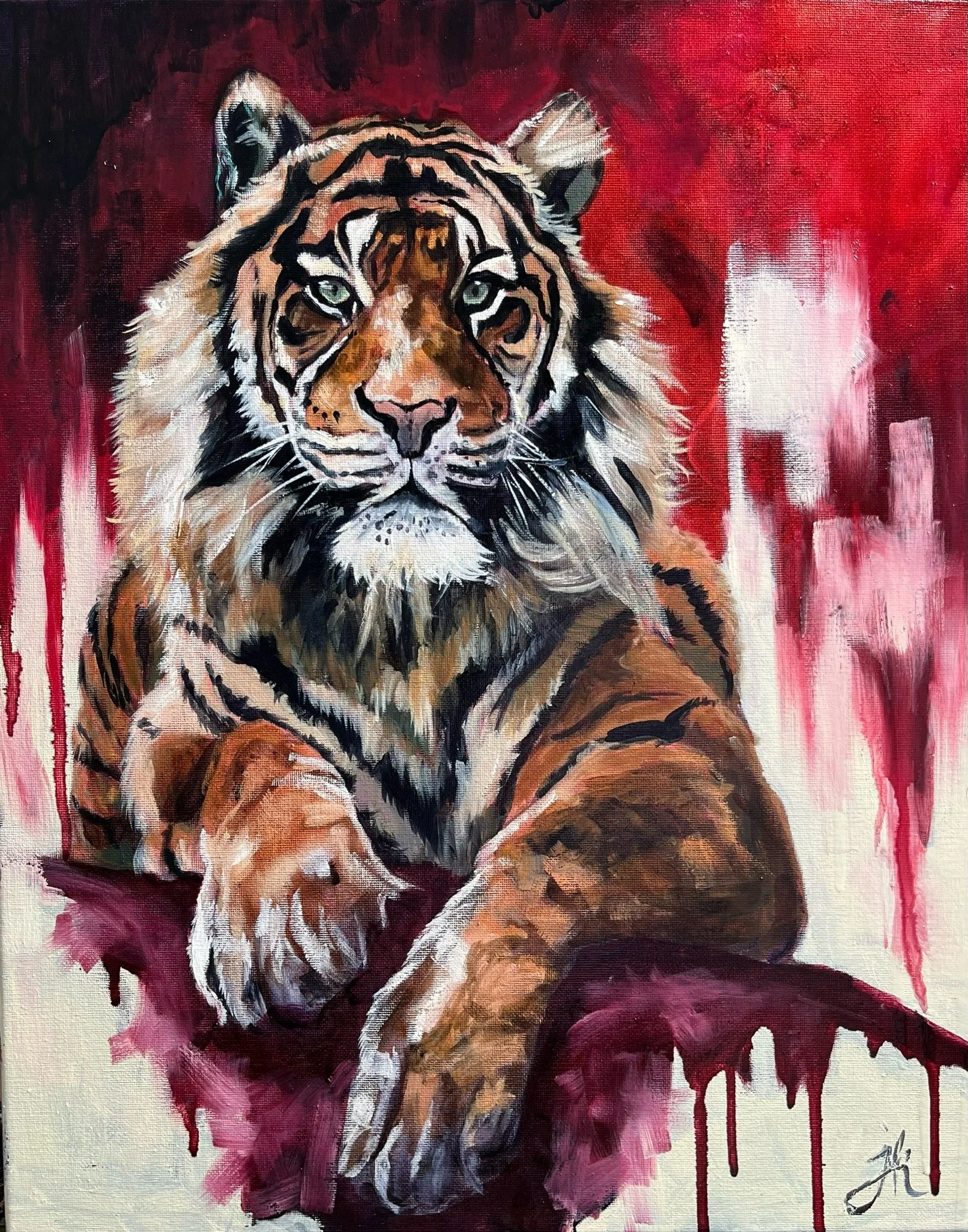
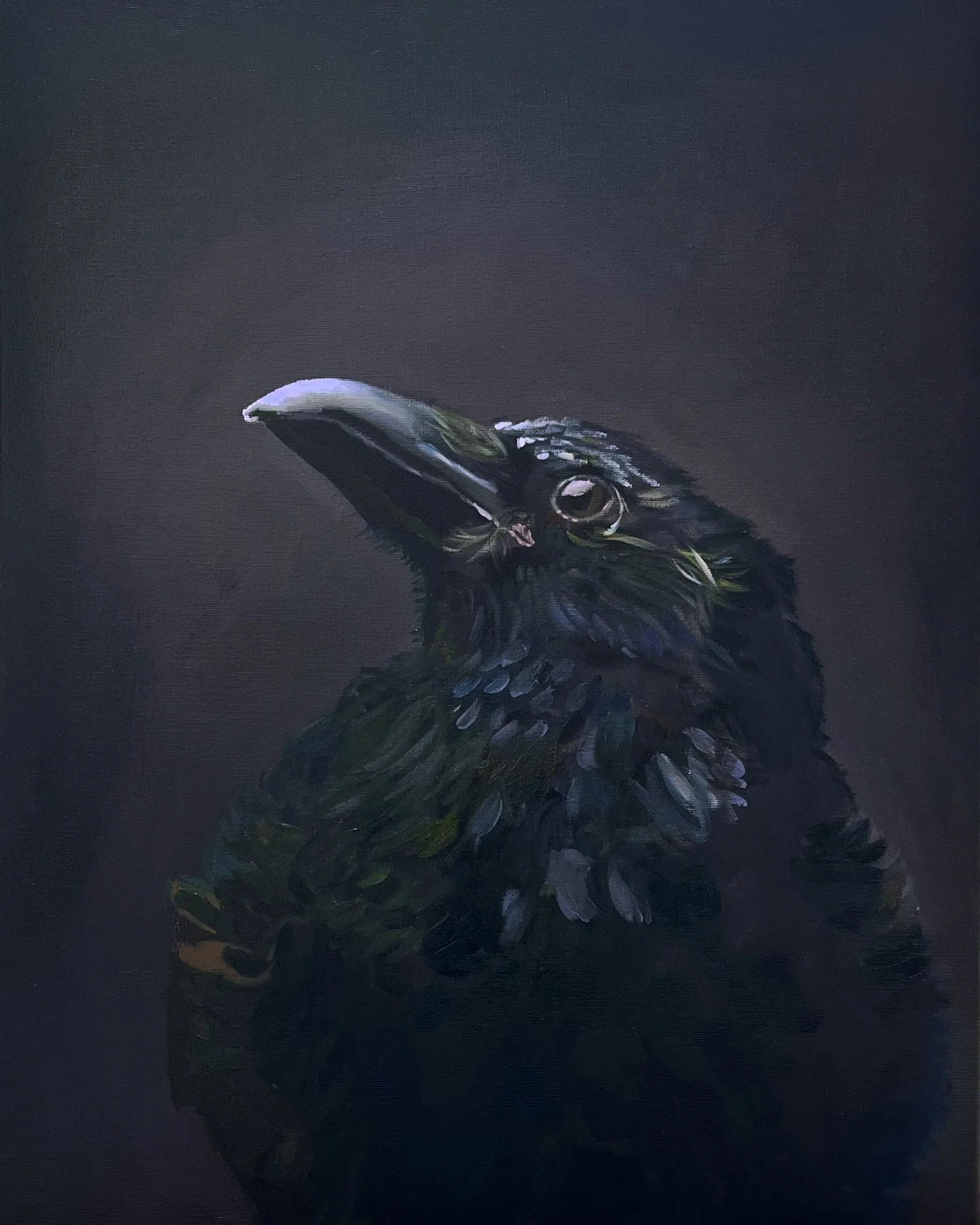
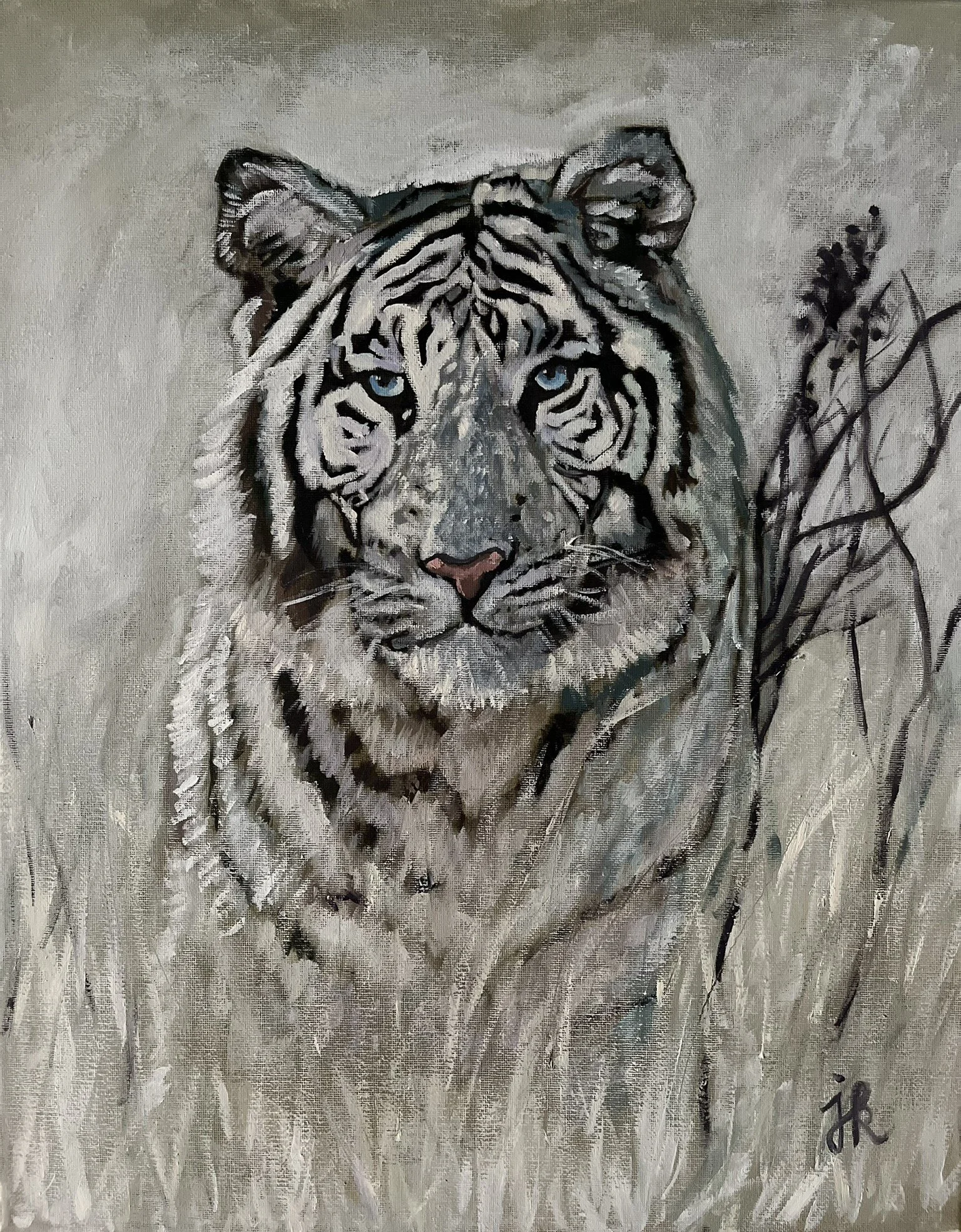
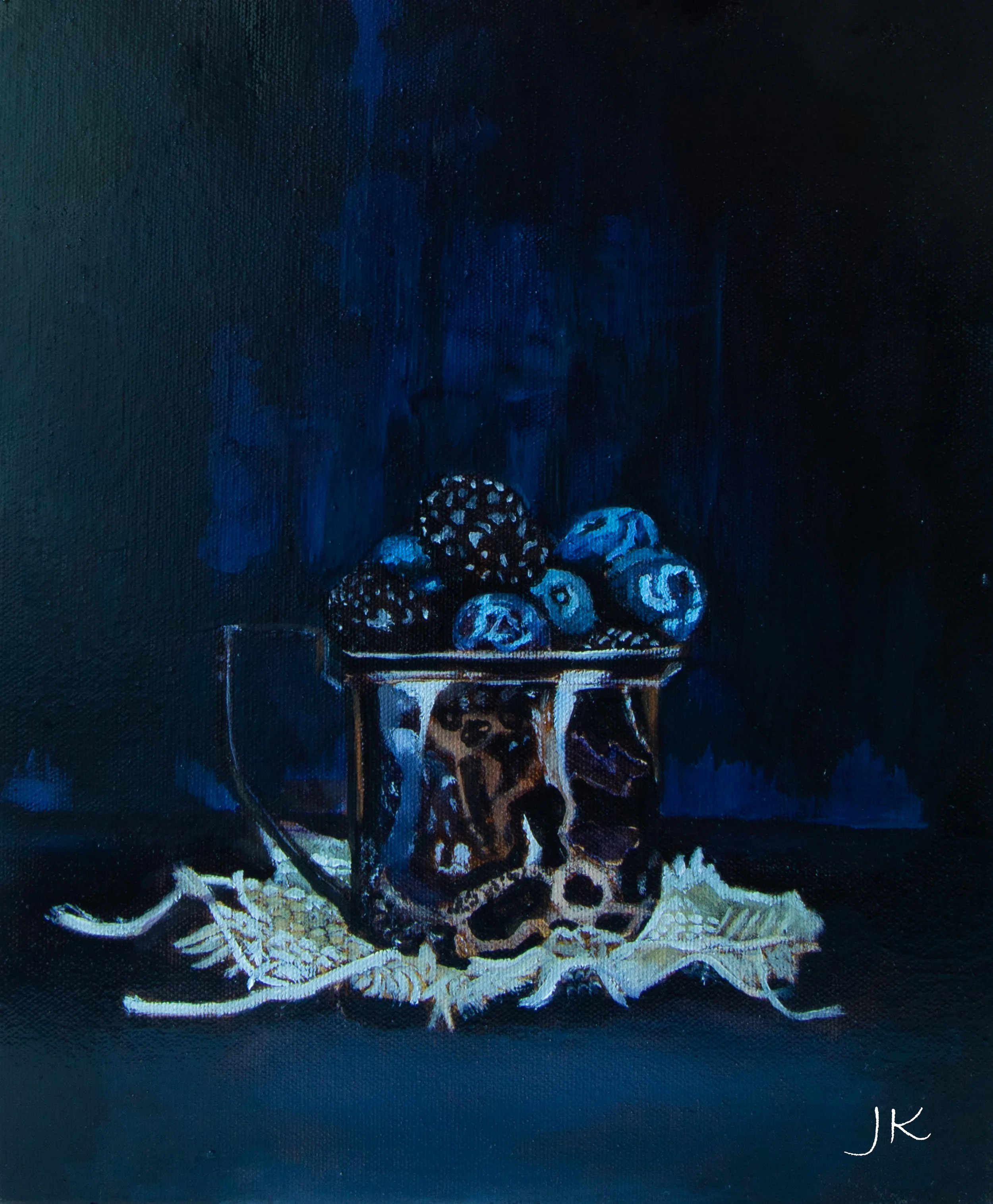
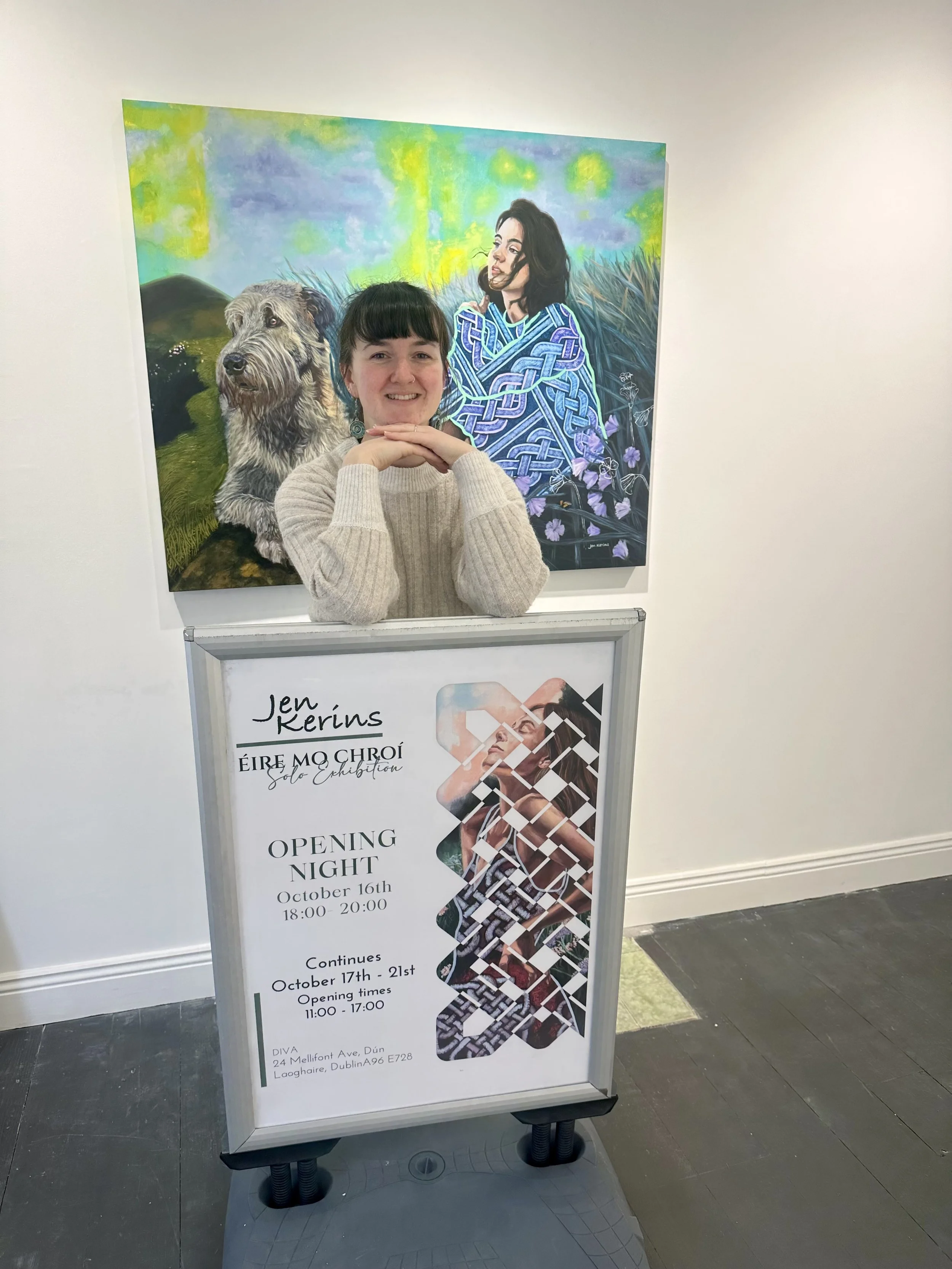
The following year, I received a grant aimed at supporting small business owners, which gave me financial stability while I worked. But it came with expectations: to remain on it, I had to meet sales targets. On the one hand, that pressure was exactly what I needed to push me to do things I didn’t feel ready for yet: building my website, launching my first line of prints, and in October 2025, putting together my first solo exhibition.
It kept me moving forward and kept me painting consistently. But at the same time, it kept me working within what I already knew I could do. Even though I was producing a high volume of work, I wasn’t really challenging myself in the ways I needed to grow. It became clearer over time that making more doesn’t automatically mean becoming more, especially if you’re not stretching into unfamiliar ground.
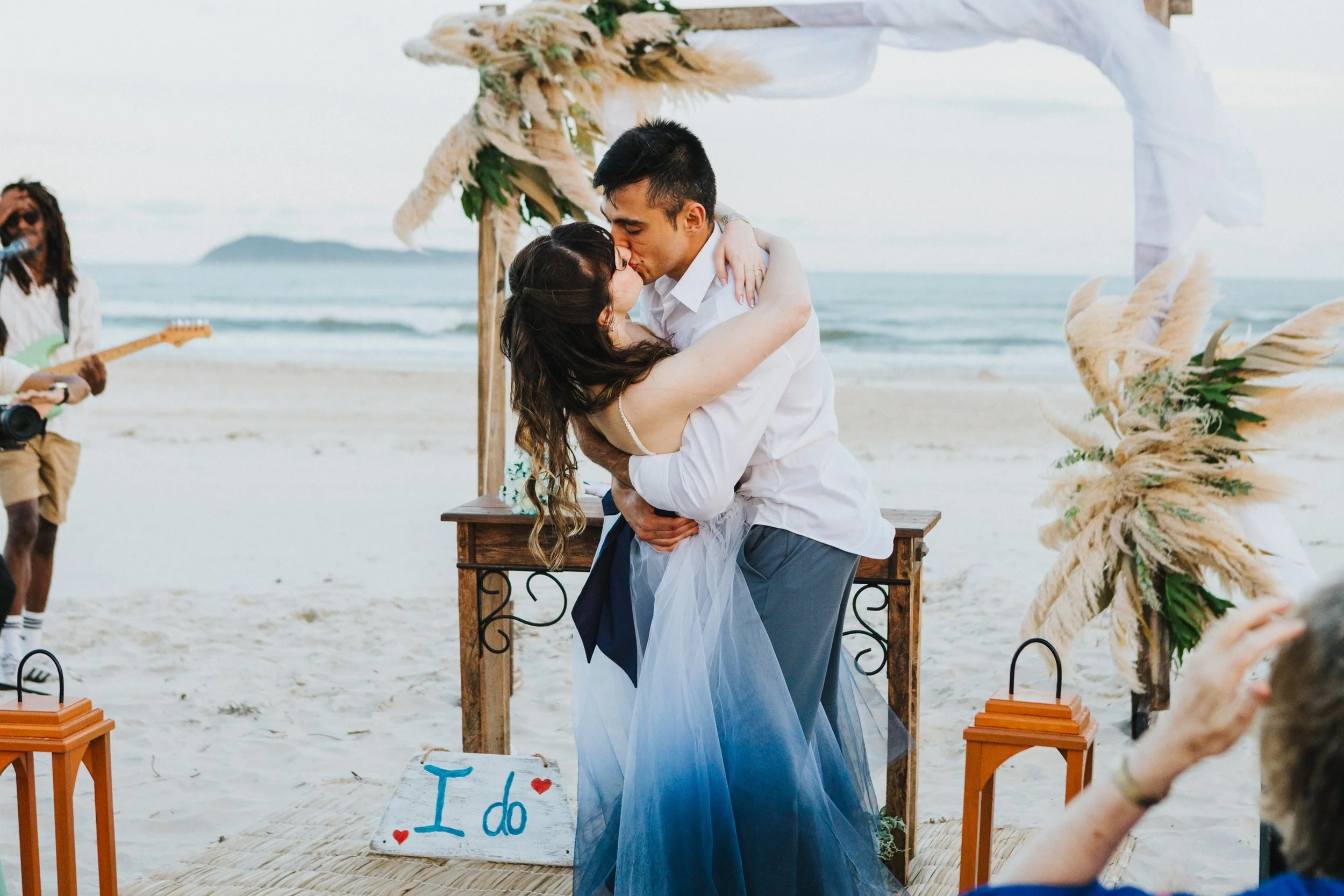
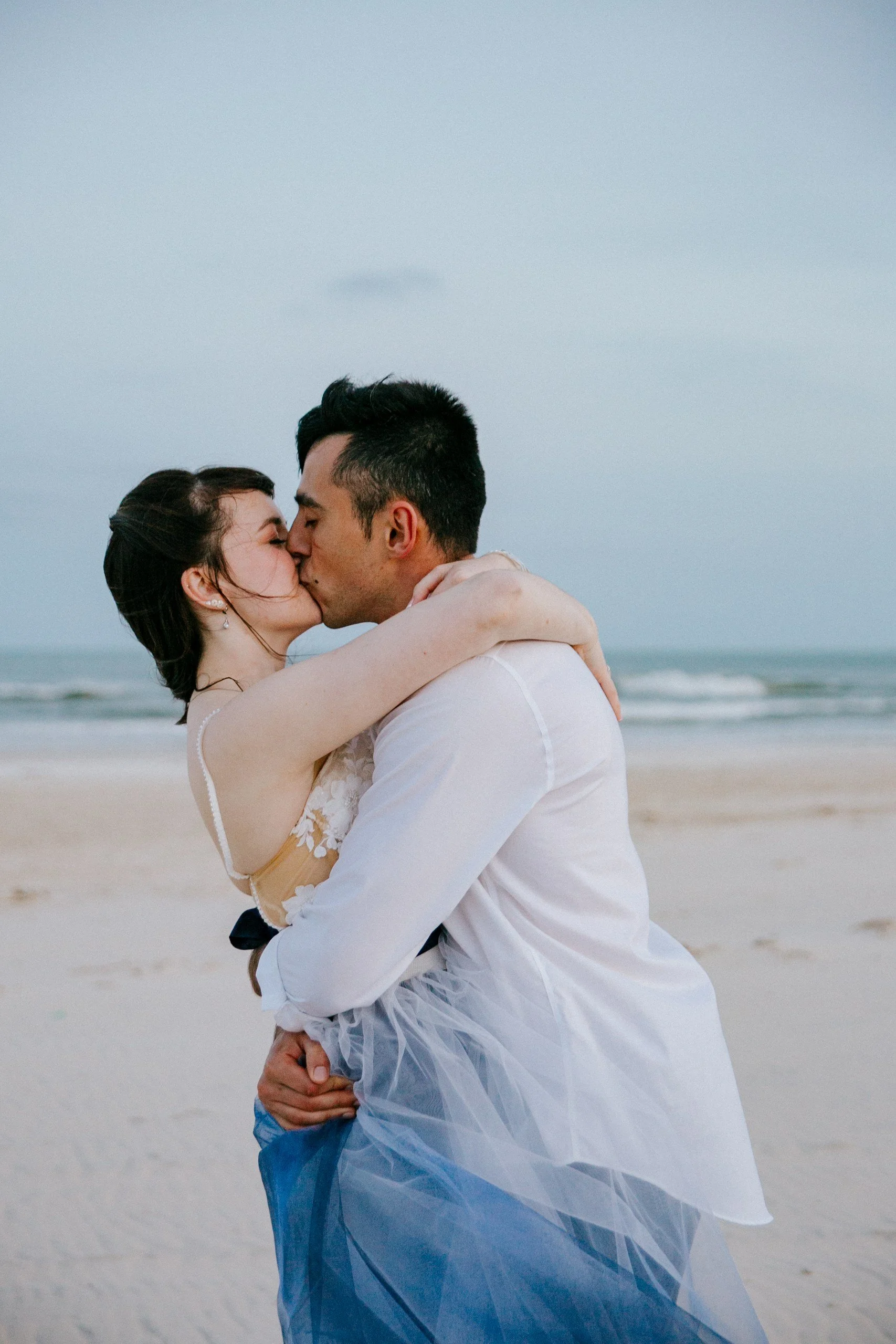
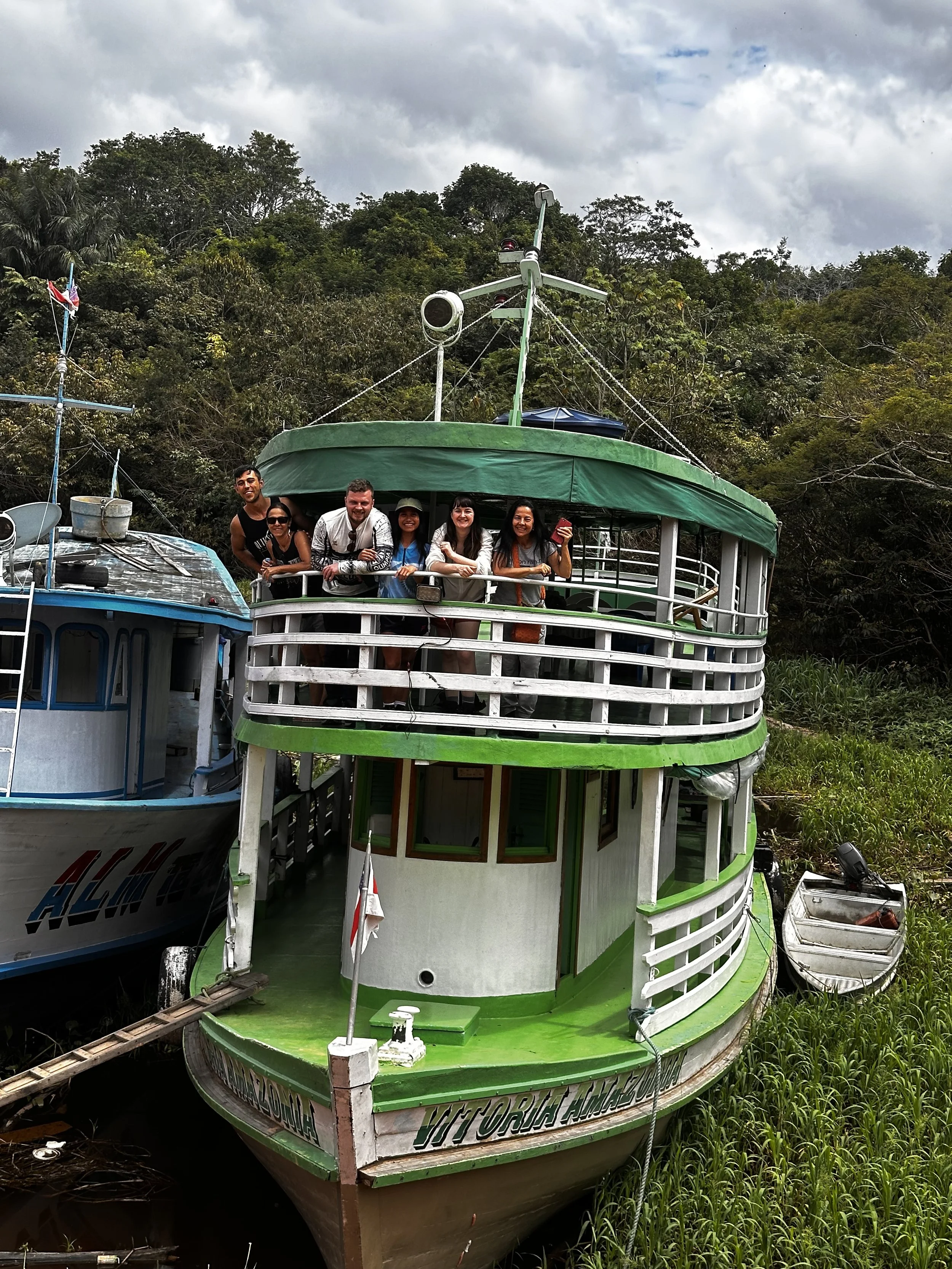
In February 2026, I moved to Switzerland. The following month I got married and travelled through Brazil.
Between preparing for the move, settling in and then getting married and travelling again, I found myself once more taking a long break from painting. But this time there was never any doubt, never any question about whether I would return to painting full time. I’m finally at a point where I know I’m on the right path, and I genuinely look forward to going to work on Monday.
And now I’m in a different phase again.
As I’ve moved to Switzerland, I’m no longer on the grant, and I’ve chosen not to replace that structure with the same kind of pressure to produce finished work.
Instead, I’m using this period to shift focus: away from output and toward exploration. Slower work. More risk. More uncertainty. Less focus on finished outcomes, more focus on discovery. Refining my skills, and allowing myself to move closer to a way of working that feels more like mine, rather than something I learned to produce under pressure.
What feels most true is that this has never been one decision.
It has happened in stages.
And I’m still moving through them, but now I’m certain of where I’m headed.
“The only way to make sense out of change is to plunge into it, move with it, and join the dance.”
- Alan Watts